Brian Jones

[youtube https://www.youtube.com/watch?v=egf2FKgoqUY%5D
Montreal, 65. Brian speaks up.

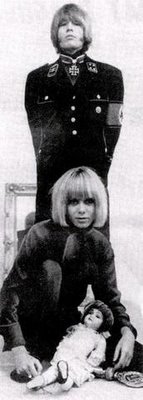
Brian and Anita.
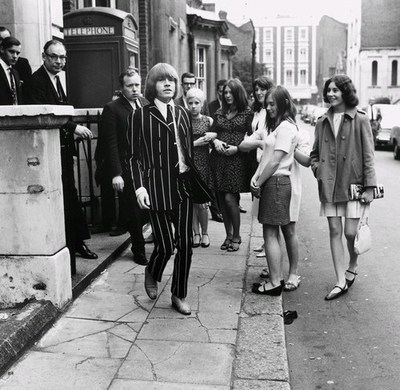
Meeting the fans.
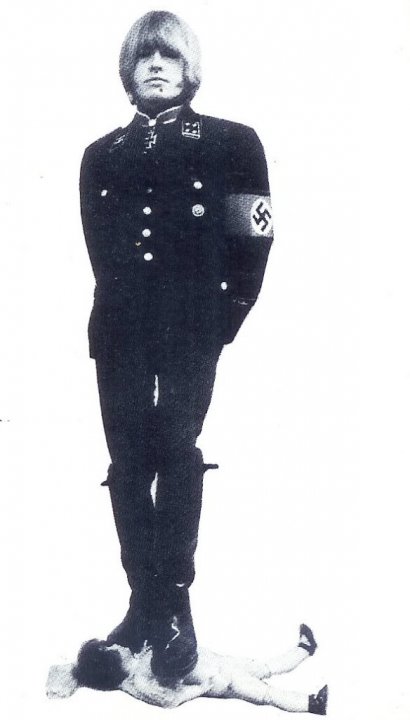
Dressed To Kill.
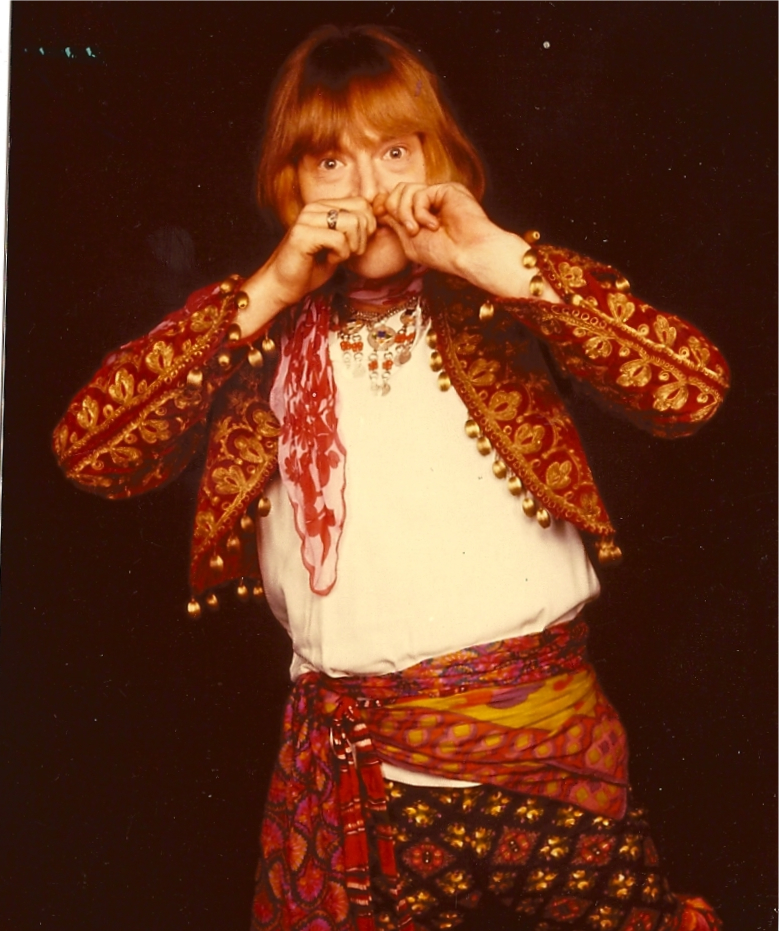
Pulling A Nanker.
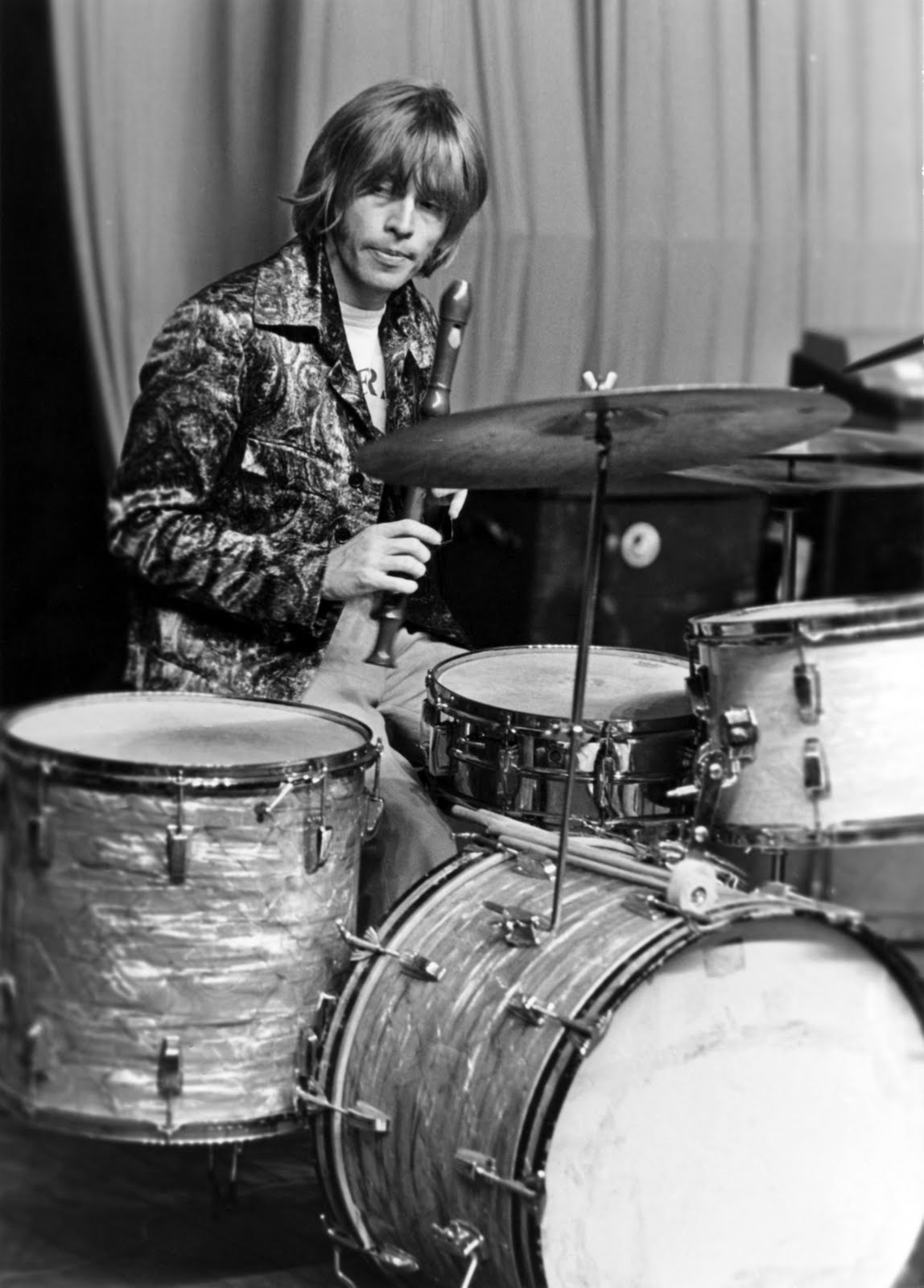
Ruby Tuesday, with recorder, ’67.
Lady Jane, dulcimer, same show as above.
A better use of the recorder.
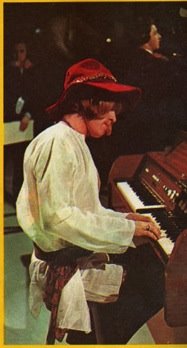
At The Mellotron.

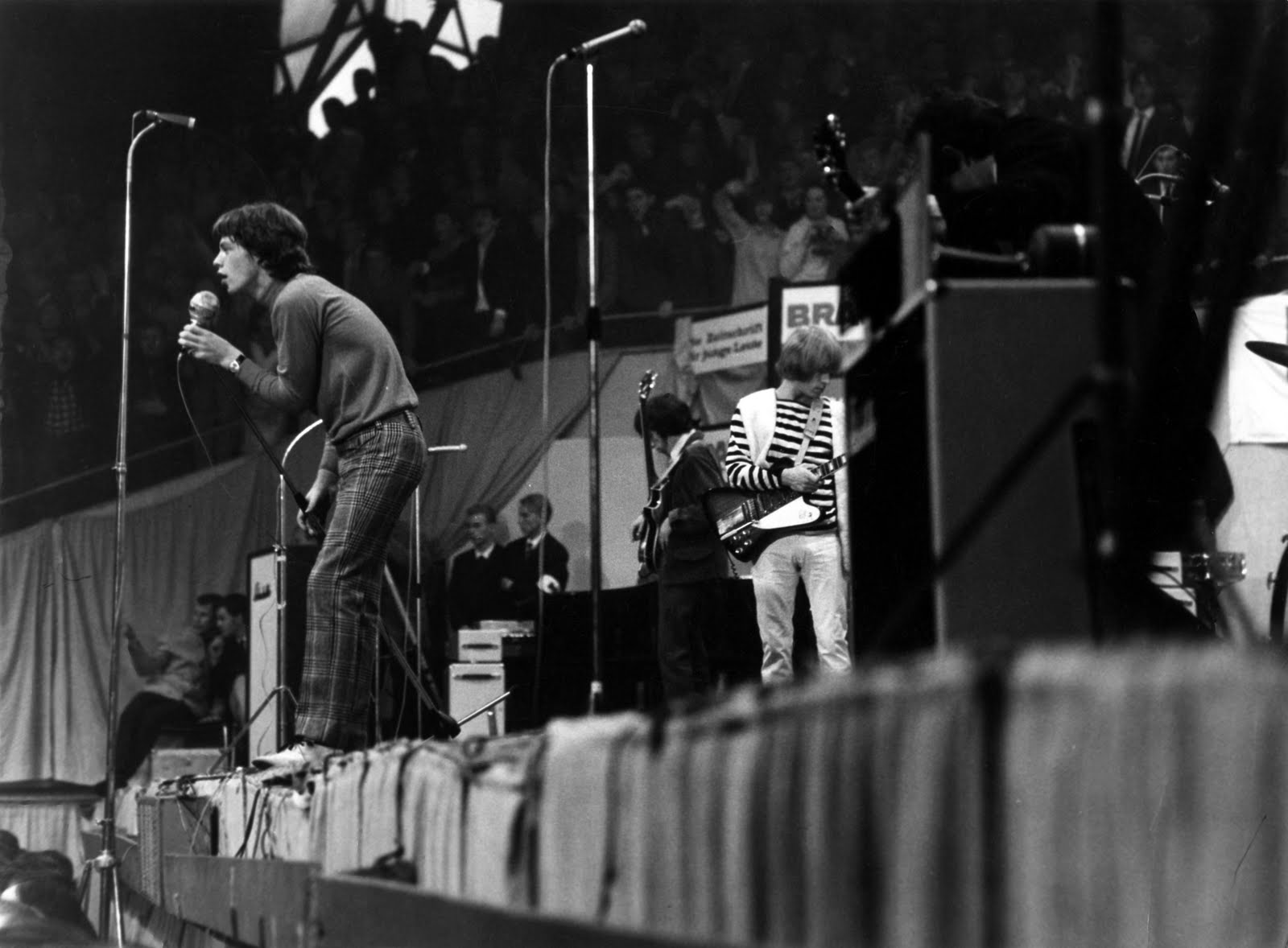
With Gibson Firebird, Where Is That Guitar Today?

                                     Brian Today.
[youtube https://www.youtube.com/watch?v=CdHVBU8wAv4%5D
If You Can Get Past The Commercial There’s Some Great Early Color Footage Here.


[youtube https://www.youtube.com/watch?v=tiTyqYRE2vU%5D
Brian co-wrote this one, better than anything they’d done in decades.

I don’t have much to add to what I had to say about Brian Jones (Lewis Brian Hopkins Jones, born February 28, 1942, died July 3, 1969) two years ago on the fortieth anniversary of his death. But I guess I still miss him.  In his best selling auto-hagiography Life, Keith Richards’ downplays Brian’s contributions at every chance he gets, even crediting the formation of the Rolling Stones to Ian Stewart.  Brian is still getting the shit end of the stick after all this time. Well, at least he never looked as goofy as Ron Wood, who could have taken at least a few fashion tips from Brian.  It’s forty two years since Brian’s death and I’m still saying my goodbyes.

Gillian’s Found Photo #64

This week’s found photo is dated Oct. ’67.  Place unknown, but it sure seems like California. The kind of girl Brian Wilson wrote songs about. I imagine her dancing to the Byrds at Ciro’s on the Sunset Strip.  A couple of years later she might have put in some time at the Spahn Ranch (as did Beach Boy Dennis Wilson), or with the Weather Underground or even at the Playboy Mansion. Today she would have half dozen facial piercing, or have her non-existant flaws rebuilt by a plastic surgeon for that ever popular “half melted Barbie” look that for some inexplicable reason some modern women feel makes them look better. Personally I like women just the way they are, flaws and all. Any one want to guess what she’s staring off at?

All Fall Down (1962)

[youtube https://www.youtube.com/watch?v=kb9Lx3UZmXg%5D
All Fall Down- Beatty as his sleazy best.

Hoo-boy. Hot on the heels of Splendor In The Grass, in which he plays a good boy so gosh darn good he wouldn’t even screw carpenter’s dream Natalie Wood, Warren Beatty starred in this little remembered but highly entertaining flick playing a women abusing sleaze bag. I’d say it might be his best role ever. I caught John Frankenhiemer’s All Fall Down for the first time recently on late night cable where it followed Splendor… in one of TCM’s theme nights, and it made quite on impression. With a script by William Inge (Splendor, Bus Stop, Picnic), and a solid cast headed by On The Waterfront‘s lip quivering co-star Eva Marie Saint as the thirty something virgin Echo O’Brien (great name),  Shane‘s Brandon De Wilde as Beatty’s obnoxiously good little brother and Karl Malden and Angela Lansbury as the long suffering parents, this one really packs a punch. Beatty would go on to become a major scenery chomping star with Bonnie & Clyde (1966) and then a major embarrassment with Ishtar (1987) and the  rapping politician Bullworth (1998) (those two seemed to have effectively ended his career), but left to someone else’s devices he was actually an excellent actor.  In this day and age of diminished cinematic expectations, All Fall Down stands out as a forgotten, if not classic, at least (low) class act.

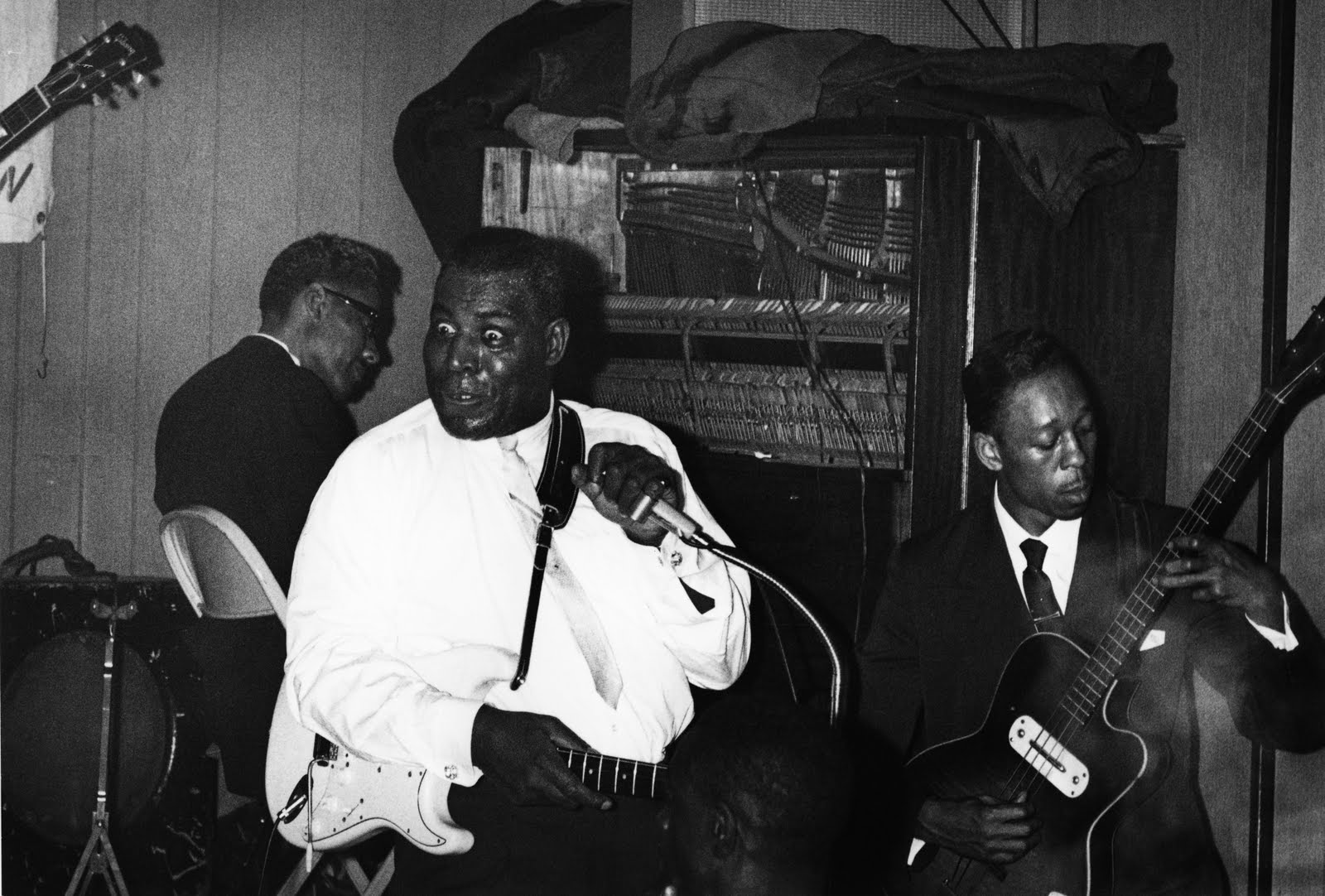
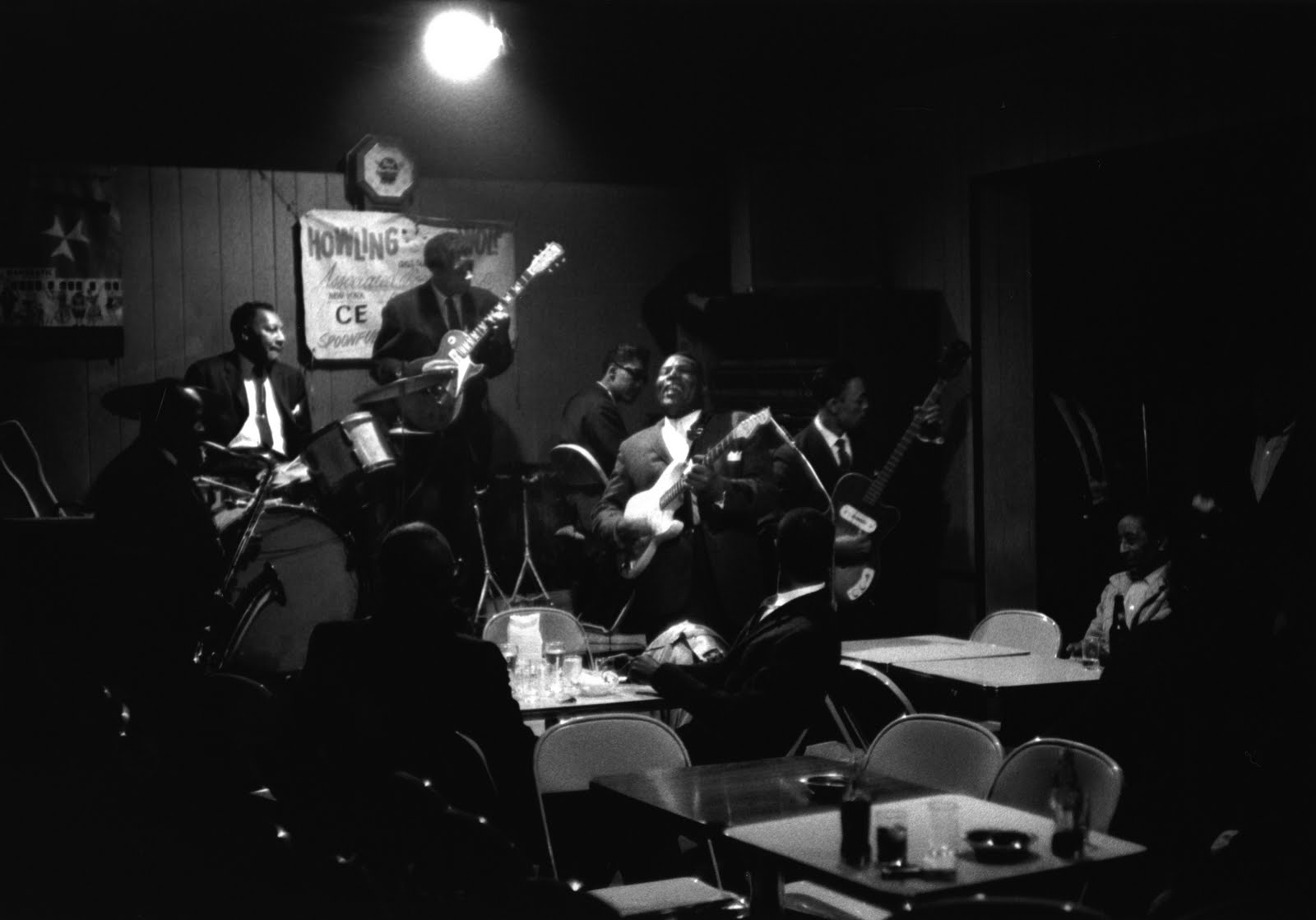
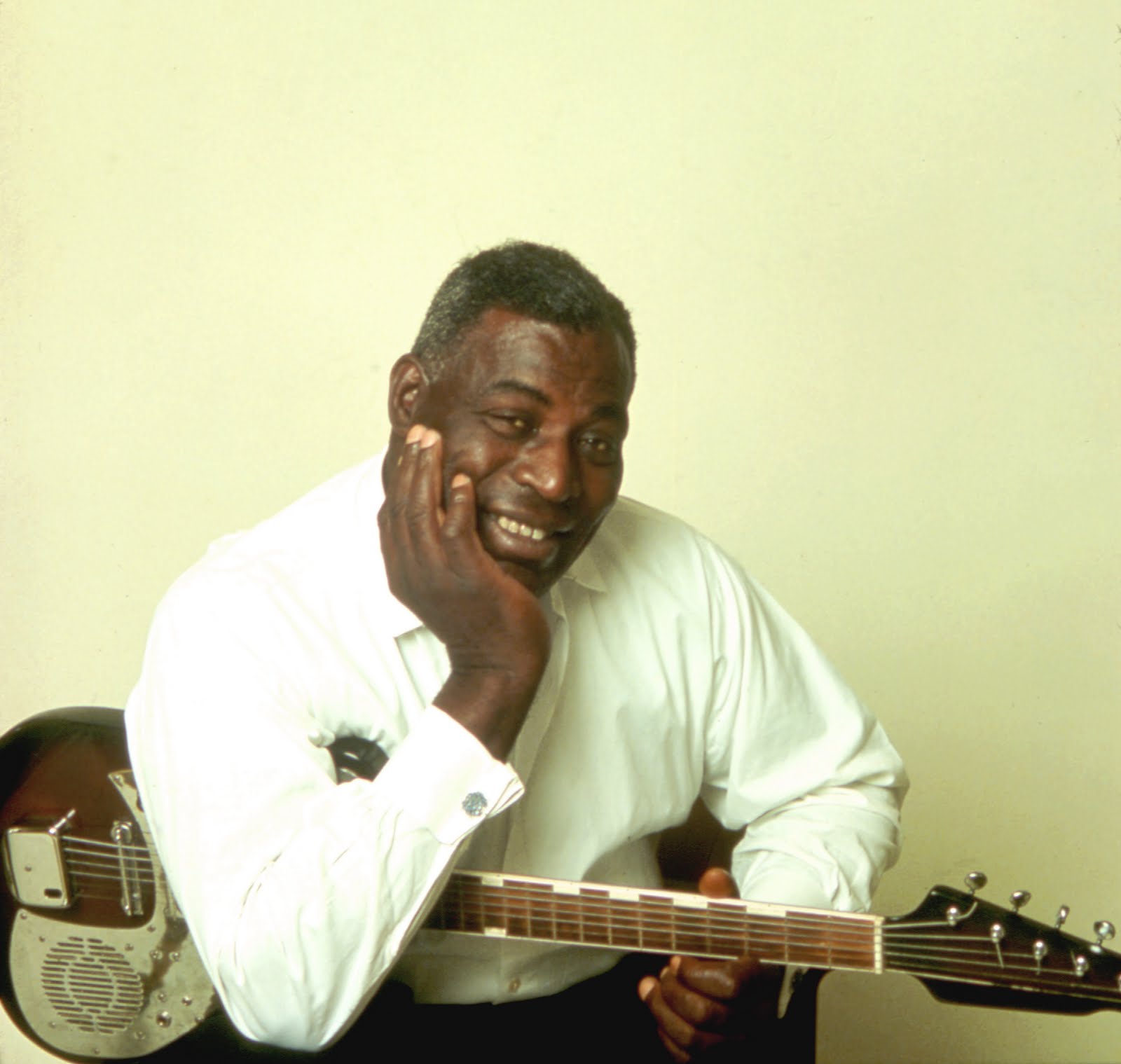
Howlin Wolf at 101.

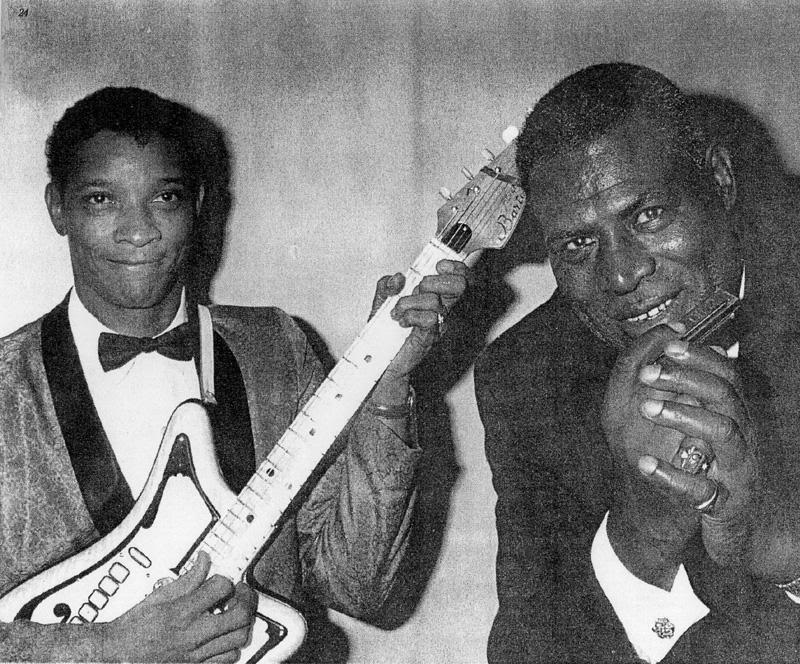
With Hubert Sumlin and a cool guitar.
Early deodorant ad.
Well worth the $1.00.
He just swallowed his harmonica.
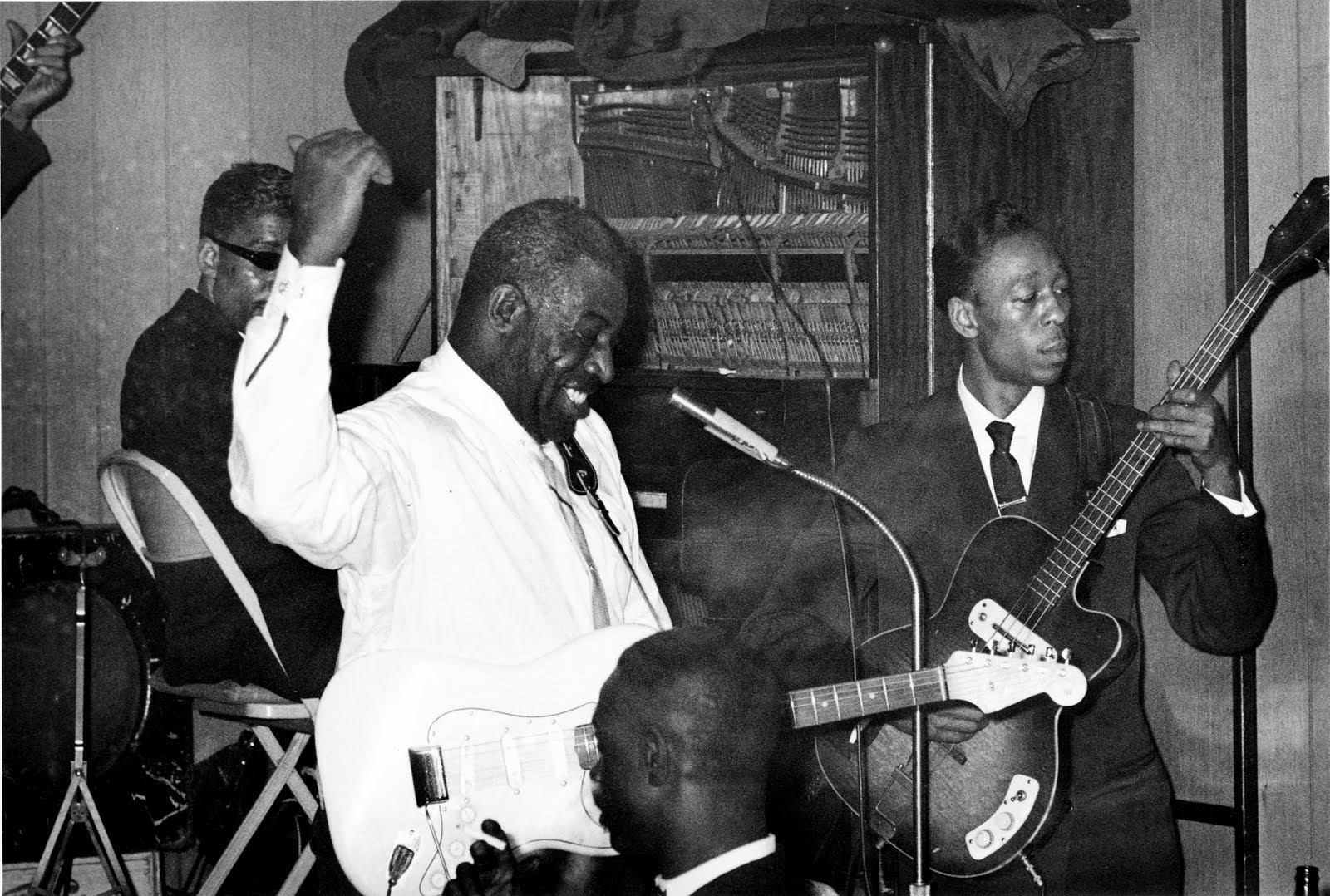
At Sylvio’s, ’64.
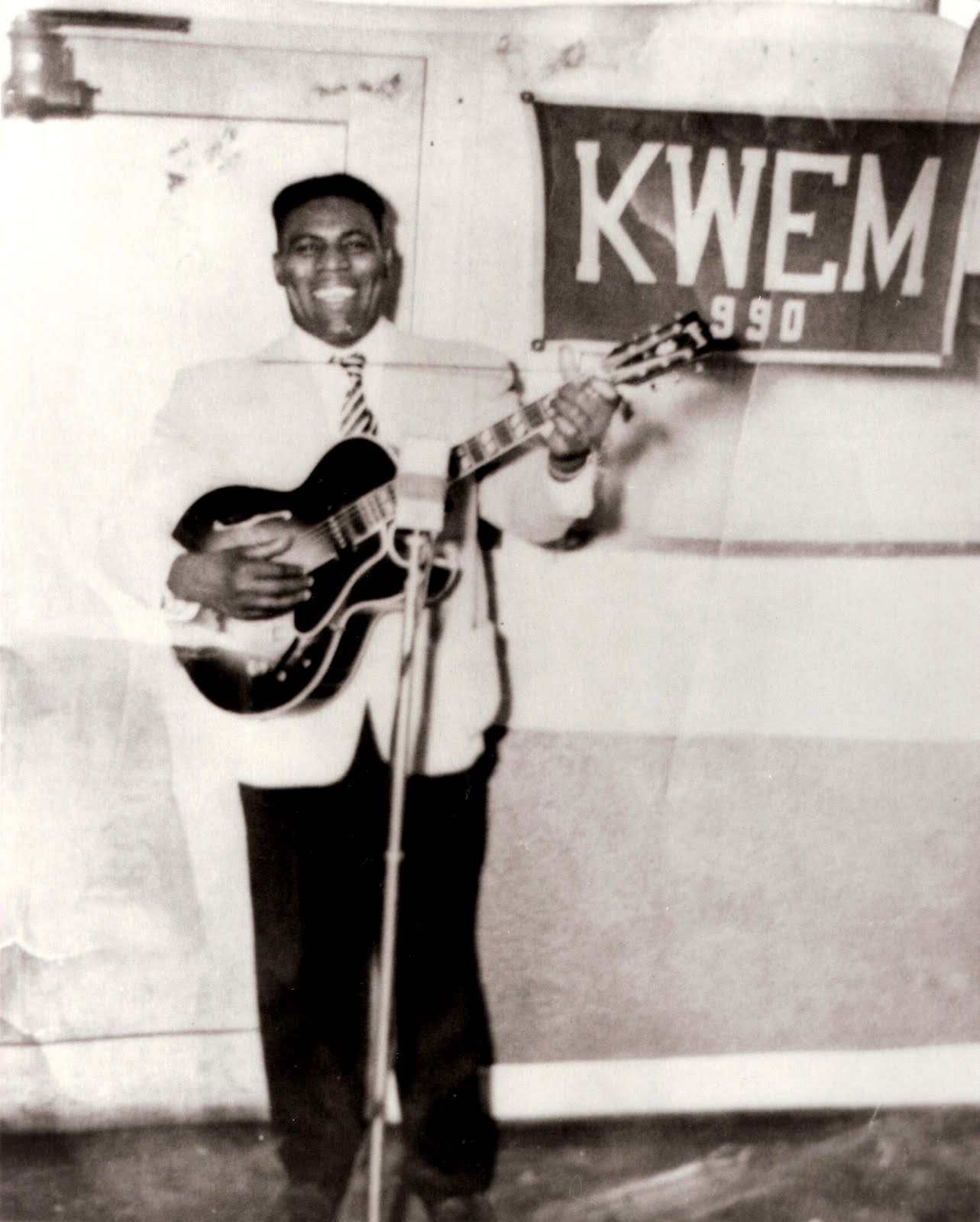
Early shot, another cool guitar.
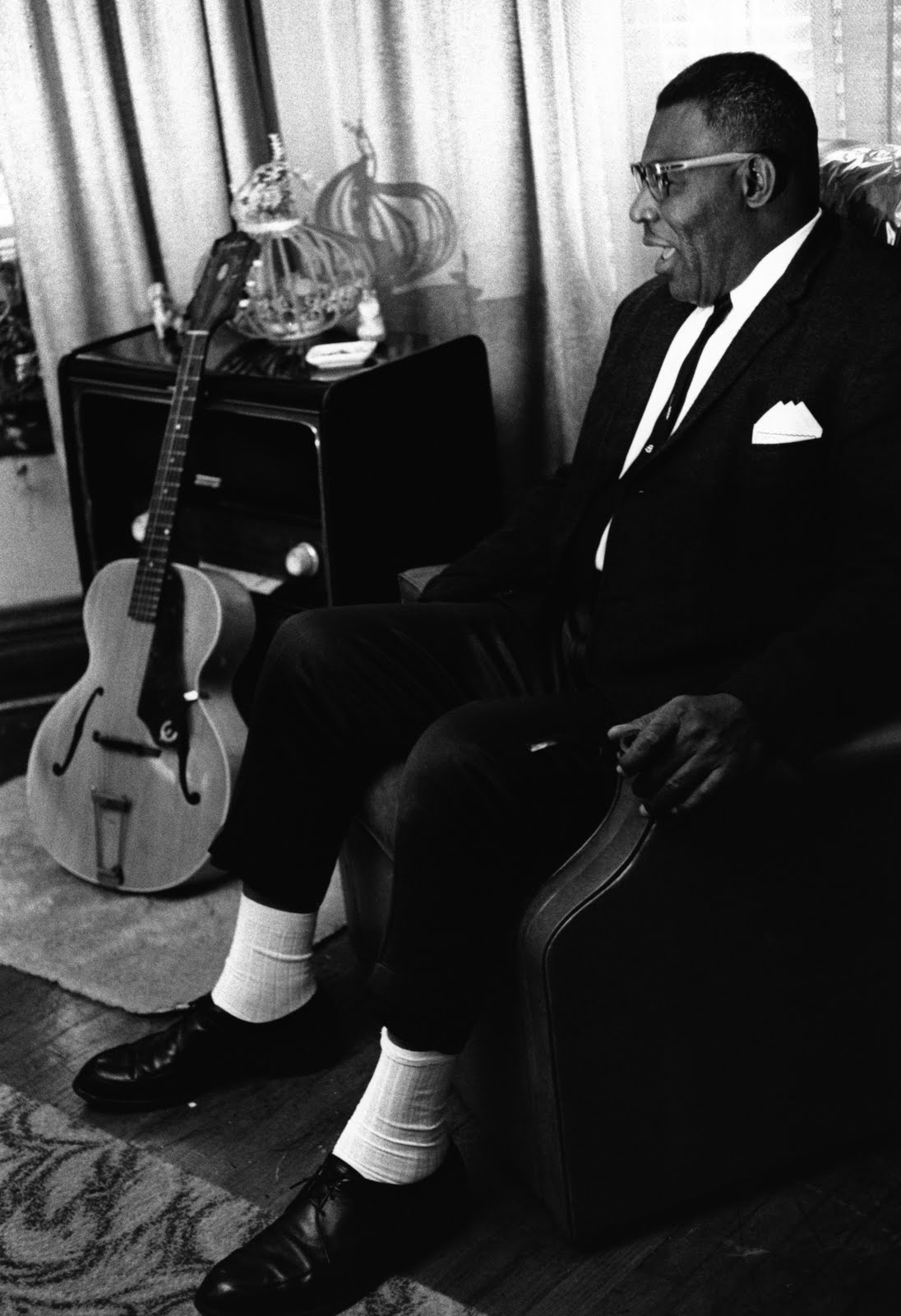
At home in Chicago, a White Sox fan?
Back at Sylvios.
Yet another cool guitar.

[youtube https://www.youtube.com/watch?v=4Ou-6A3MKow%5D
Upsetting the folks at a Folk Festival.

[youtube https://www.youtube.com/watch?v=A1FK620bS7A%5D
 European TV, ’66.

Howlin’ Wolf (born Chester Arthur Burnett outside of West Point, Mississippi, June 10, 1910, died January 10, 1976) would have been 101 today, had he lived. If they dug him up and stuck his bones onstage he’d still be better than 99.9% of what passes for blues or rock’n’roll these days. I’ve already blogged on him before (here and here), so I have little to add, except he remains my very favorite singer, and when ever I hear so and so (name your most overrated singer here) is a great “soul” singer, I want to stick a Howlin’ Wolf 78 in their ear. If you are not familiar with Wolf’s music, start with his early Chess and RPM sides, then the un-issued Sun Sessions, forget the psychedelic “birdshit” album, the London Sessions and SuperBlues jams unless you are a completist. For further reading I suggest James Segrest and Mark Hoffman’s Moanin’ At Midnight: The Life and Times Of Howlin’ Wolf (Pantheon Books, 2004). Happy Birthday Wolf, where ever you are.

The Jesters

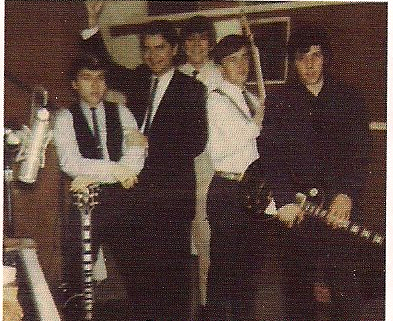
The Jesters, l. to r. Jerry Phillips, Billy Wulfers, Eddie Robertson, Teddy Paige

                The Jesters with Sam C. Phillips.

Jesters promo 45 with Jim Dickinson’s scrawled autograph.

“The best performances never get recorded, the best recordings never get released and the best records don’t sell”, so proclaimed the late Memphis musician/producer/philosopher Jim Dickinson the last time I saw him alive. Never was that adage so true than in Memphis where Dickinson plied his trade for four decades.
Today’s subject, a great Memphis garage band who called themselves The Jesters (not to be mistaken for the Jesters from Brooklyn who covered the Diablos’ The Wind, or or the Jim Messina led surf group, or Charley Pickett’s cousin Mark Markem & the Jesters who cut the all time classic Marlboro Country or any any of the other dozens of group who had previously used that name) are one of the greatest examples of said truism, even though they did release one of the greatest 45’s of the era, and the last great Sun record.
The aforementioned Jim Dickinson is of course, part of the story, since the Jesters’ only released platter was as much his record as theirs, although in fact the only time he ever played with the group on whose contribution to the pantheon of sides he sang and pounded piano, was the January 1966 day it was recorded at (the second) Sun Studio (639 Madison) in Memphis.
 I, as they say, digress.
  The Jesters were formed in 1964, led by guitarist Edaward LaPaiglia aka Teddy Paige, who had previously led a teenage aggression called the Church Keys, and was heavily into the ‘5’ Royales (then living in Memphis and recording for the Home Of The Blues label), Carl Perkins, Bo Diddley and Freddie King. Paige hooked up with singer Tommy Minga,  previously of the Escapades, and added rhythm guitarist Jerry Phillips, son of Sun Records Sam C. (and fresh from a stint as a fake midget wrestler), bassist Bill Wulfers and drummer Eddie Robertson in short order. Their set list was heavy on old blues, R&B and rockabilly tunes as well as originals, some  re-writes of classic R&B tunes, some quite unique, and short of British Invasion hits that were the staple on most local white groups at the time.
  At this time Jerry’s older brother Knox Phillips was pretty  much running the show at the much diminished Sun Records, Sam was disillusioned and bored with the record biz and preferred to concentrate on his radio stations, and Knox began recording the Jesters.  Tapes from two sessions with eleven tracks from the original band have survived,  as well as the two sides issue on 45, although these would not see release until the late 1980’s when they were first issued on Charley’s Sun: Into The 60’s box set and later in 2009 on the Ace/Big Beat CD Cadillac Men:The Sun Masters which added four Escapades tracks to fill out the CD.
 The sides with Tommy Minga singing are all first class, snot nosed, garage howlers–  What’s The Matter Baby, Get Gone Baby, Strange As it Seems, the original, Minga fronted version of Cadillac Man, a version of Bill Doggett’s Hold with added lyrics and retitled The Big Hurt, the ‘5’ Royales Slummer The Slum barely re-written as Stompity Stomp, as well as versions of Boppin’ The Blues, Night Train From Chicago, Heartbreak Hotel and the Bo Diddley cop– Jim Dandy and Sweet Sixteen would all fit perfectly on any volume of Back From The Grave (Crypt). Certainly had it been released at the time What’s The Matter Baby could have given the Standells, Shadows Of Night, Knickerbokers and other crude hitmakers of that year a run for their Beatle boots.
  How and why Tommy Minga’s voice was deemed unsuitable for issued wax is unclear, but once it was decided to bring Jim Dickinson in on piano and lead vocals, Cadillac Man was transformed into another creature all together. Rather than a snarling, Them/Rolling Stones styled garage rocker, it became a throw back to an earlier era at Sun, that of full throated screamers like Sonny Burgess and Billy Lee Riley. Sam Phillips was said to be highly excited by the possibilities, and secured Jim Dickinson (who had previously cut two singles under the tutelage of Sun alumni Bill Justis) contract release and put the band back in the studio to cut a b-side, a version of Little Walter’s My Babe (itself a version of Sister Rosette Tharpe’s version of the old gospel standard This Train). Cadillac Man b/w My Babe was issued by Sun in 1966 and died a quick death.  In a year (’66) that saw the Shadows of Night, 13th Floor Elevators and Standells hit the charts, the Dickinson led version of Cadillac Man had probably less commercial appeal than the material cut with Tommy Minga singing. It was also the beginning of the end for the Jesters. There would be no follow up. At some point they recorded a version of Smokey Robinson’s What So Good About Goodbye with Jimmy Day singing, but it too sat on the shelf for decades.
 The band, with Minga back in front, briefly resumed gigging, but soon fell apart. Lack of success had halted their forward motion, and when a rock’n’roll group is not moving forward, it is dying.
 By late ’66 it was over for the Jesters, Tommy Minga put together a new version of the Escapades. They released two singles I Tell No Lies (issued on both Arbert and XL) and Mad Mad Mad (Verve) both in late ’66. Teddy Paige played some sessions, ending up on discs by David Allen Coe and Cliff Jackson, left music to work construction and eventually relocated to the U.K where he was said to have taken to wandering around in medieval minstrel garb, complete with saber. He was briefly institutionalized in the nineties after a run in between said sword and a neighbor.  Jerry Phillips would find work at the family radio stations, the other two got real jobs.
  The Jesters were among the best and most unique garage bands in that peak year for garage band rock’n’roll. Paige’s guitar playing is especially noteworthy, he works in quotes from Lowman Pauling, Freddie King, and Bo Diddley, yet still retained a unique and biting sound. Tommy Minga too had his own style, having perfected the requisite ‘teenager with hard on who hates his parents’ delivery. Jim Dickinson would of course go on to long and colorful career, recapped after his 2009 death here. Had What’s The  Matter Baby been issued on 45, it may have been a hit, or sold so few copies that it would got for $500 on Ebay today, either way, the best sounds the Jesters left behind are among the best garage punk I’ve ever heard.

Gillian’s Found Photo #63

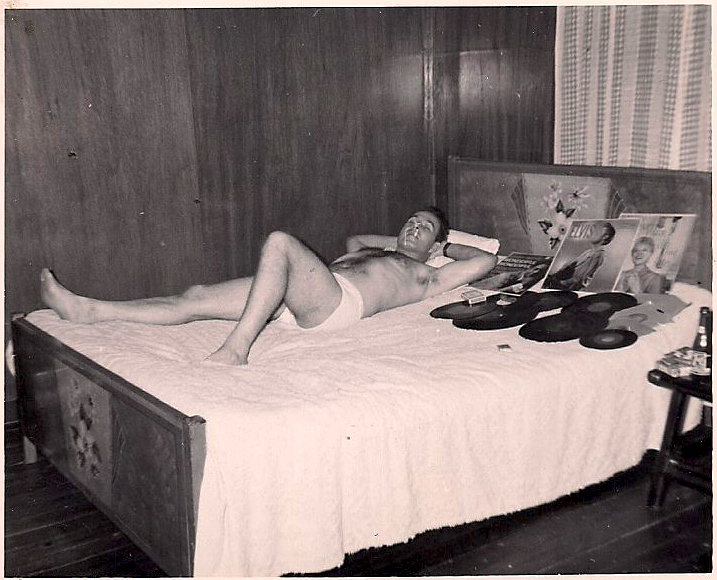
And you thought that come hither look on the face of the gal in FP#62 was for you? No, it looks like the party was already underway. And yes, that is a Johnny Mathis album under this guy’s armpit, a deck of cards on the bed, a pack of smokes and a beer on the nightstand. What’d ya think is on the rest of this role of pix?

Mr Ghetto: Wal Mart

[youtube https://www.youtube.com/watch?v=O1tufujnbzU%5D
Who says New Orleans isn’t the cultural capitol of the world?


I’m not much of a hip hop or bounce (as they call the local brew in New Orleans) fan, but this just kills me.
Shot in New Orleans at the Walmart on Tchoupitoulas, a couple of blocks from where I used to live.
This is the part of New Orleans (a hair and nails watching cornucopia, just check out the ‘do and nails on anyone working the register at Pop-eyes) that doesn’t make it on HBO’s The Treme. I haven’t been back to New Orleans in sometime (too many ghosts), this makes me really miss the place.

Gillian’s Found Photo #62

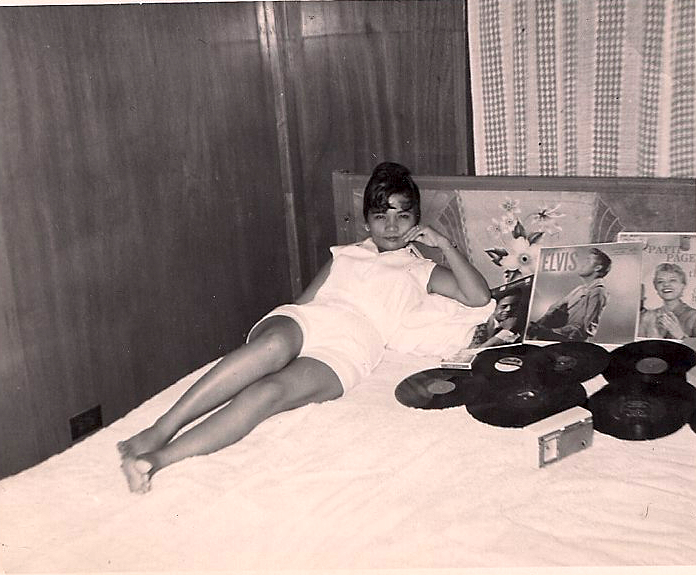
This little minx knows how to get a man….good records. There’s the second Elvis album, Jackie Wilson,
Patti Page (how much is that doggie in the window….?), and a pile of unidentifiable 78’s except the black, gold and white Specialty label at the top of the pile, my bet is that one is Little Richard, although it could be Willie Joe and his Unitar, or Don & Dewey singing Justine. Hell, that just may be Justine herself! Well before my mind runs away with me, I’ll just say this week’s Found Photo may be one of the Fang’s finest moments.

Jack Scott

[youtube https://www.youtube.com/watch?v=iksyruTrYZc%5D
Jack Scott as a balladeer.

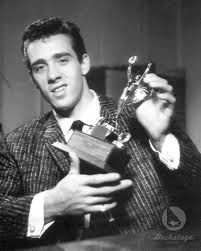
With bowling trophy.
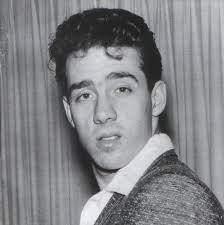
Jack Scott- attempting to match Elvis’ sneer.
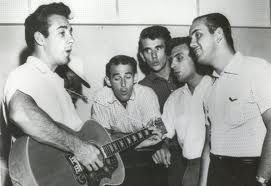
Jack Scott with backing singers the Chantones.
I’ve always loved the sound of Jack Scott (born Giovanni Dominico Scafone Jr.,  Jan. 24, 1936, in Windsor, Ontario). He had an loose, almost swinging rock’n’roll sound, he had an amazing voice and was an excellent tunesmith, writing nearly all his own best sides.  
  At age ten his family relocated across the border to Hazel Oak, Michigan, a suburb of Detroit, and it was hear he formed his first band– the Southern Drifters, playing country and rockabilly. His first session came in early 1957 at Detroit’s Universal Studio, it produced  Greaseball (an early version of Leroy which remained unreleased until the 90’s) and four sides that were picked up by the ABC/Paramount label and make up his first two singles–
Baby She’s Gone b/w You Can Bet Your Bottom Dollar, his debut, followed later in the year by Two Timin’ Woman b/w I Need Your Love, both singles are in the moody, Elvis mode. The primitive thumper Baby She’s Gone is the best of the four sides with it’s  foreboding, nearly ominous throb, and killer guitar solo by Al Allen (which Robert Quine would steal part of and insert into punk anthem Blank Generation twenty years later). It was around this time he hooked up with bass player Stan Getz (not the jazz saxophonist) and his Tom Cats who would be his backing band for the next year or so (and later go on to even greater obscurity as Johnny Powers’ band).  
In the spring of ’58 Scott, who had made some local waves was signed to Carlton Records and was back in the studio, recording his first real hit My True Love b/w Leroy (both sides making the Billboard charts with the a-side rising to #3), and the follow up– With Your Love b/w Geraldine, a lesser hit, rising to #28 and kicking off a six single backwards chart run that would take him through the end of ’58 with  Goodbye Baby b/w Save My Soul (#8), The Way I Walk b/w  Midgie (#38), I Never Felt Like This b/w Bella (#78) and There Comes A Time b/w Baby Marie (#71). Carlton also issued his first LP,
ten of its twelve titles being originals, including all his 45’s, it was even issued in true stereo, vocals and guitars on one side, bass and drums on the other, it’s a great record to practice guitar playing to because you can put the balance all the way to once side and play along with the rhythm section. The stereo pressing have the word Stereo written vertically down the left side of the jacket in press on felt block letters. It’s probably the first stereo rock’n’roll LP ever released.
 Jack Scott was drafted in 1959 and he’d spend most of the year in the U.S. Army, Carlton releasing lesser sides and a second LP to keep his name alive. Later that year upon his discharge he left Carlton and signed with another small company- Top Rank. By this late date, in order to survive rockers, following in Elvis’ footsteps (whose first post-Army single was the re-write of Mario Lanza’s version of O Sole Mia– It’s Now Or Never), had to become ballad singers (Roy Orbison, Conway Twitty,The Everly Brothers) or watch their careers wither (Jerry Lee Lewis, Carl Perkins). 
Scott who always excelled at ballads had no problem adjusting and topped the charts with the ballado-profundo What In The World’s Come Over You (#5 Pop), although the flip side was a rocker Baby Baby. He followed it with another weeper– Burning Bridges which became his biggest ever hit, rising to #3. Carlton responded in the other direction by digging out the rocker Go Wild Little Sadie from his sophomore LP and issuing it on the Guaranteed imprint around the same time, it was a close to frantic as Scott ever sounded.
Jack Scott had a nice career going for him, but he was never able to turn it into major stardom. He left Top Rank shortly after Burning Bridges and spent the 60’s label hopping, cutting sides, some truly excellent, for Capitol (Strange Desire, one of my favorites, a throw back to his Carlton discs, and the unissued Good Deal Lucille stand out), RCAs Groove subsidiary (including the excellent rockin Christmas two sider– Jingle Bell Slide b/w There’s Trouble Brewing, and the killer– Wiggle On Out), Dot and progressively lesser labels. Despite, or probably because he never really changed his sound,  he never made the transition to country stardom that revived the careers of Jerry Lee Lewis and Conway Twitty.
By the 70’s “The Canadian Elvis” would be reduced to playing Teddy Boy revivals in the U.K. (he shared a live album in ’77 with Charlie Feathers, Buddy Knox, and Warren Smith) and the occasional oldies show. His last chart showing was a revival of Burning Bridges done as a duet with Carrol “Baby Doll” Baker, a minor Canadian country hit in 1992. He eventually retired from live performing  unable to find a suitable band (and the economics of touring makes hiring real musicians unfeasible).  In recent years a bootleg emerged claiming to be a Jack Scott  live recording circa 1961, it’s actually from the mid-80’s, but shows him still at the height of his powers, sounding pretty much like his old discs, as these versions of The Way I Walk and Goodbye Baby prove, time did not decay his easy going swagger.
 If rockabilly, at it’s best, was mostly about a guy with a hard on telling himself (and the world) how cool he is,  then Jack Scott was it’s prophet. 
Apocalypto (2006)

[youtube https://www.youtube.com/watch?v=O_99mcINufQ%5D
Apocalypto: Mayans party like it’s 1999.

Am I the only person who thinks this is a great film?  On the heels of the $370 million plus grossing, gay/S&M/Catholic soft core porno flick The Passion Of The Christ (2004), alcoholic mess Mel Gibson got to write his own ticket,  and then went on to write, produce and direct this spectacular, career ending monstrosity of a movie. Apocalypto has some of the most amazing acting, sets, hair and make-up ever seen on the screen. It’s like Cecil B. DeMille and John Waters were directing simultaneously. The scene where the hero, forest dwelling Jaguar Paw (Rudy Youngblood whose career may have also been killed by this film) is taken captive and is about to be sacrificed to the Mayan Sun God (Kinich Ahau, played by the Sun it’s best on screen appearence since Antonioni’s Red Desert) is one of the most compelling, and whacked out scenes ever to (dis)grace the silver screen. Since it’s on cable nearly every day I’ve watched it dozens of times and it never fails to stun me. I especially love the little fat prince and the shaman’s ability to roll his eyes back in his head.  I’ll not defend Mel Gibson’s drunken rants (which I find highly entertaining and can listen to over and over), and I can’t say I’ve liked his acting except the first two Mad Max flicks, but this one is a doozie. Worth setting your Tivo/DVR for.